Northern Ireland’s landscapes steal hearts year-round, but timing your visit around Northern Ireland seasons unlocks photography magic.
From the Giant’s Causeway’s dramatic basalt columns to the misty glens of Antrim, light transforms these scenes into timeless frames. Knowing the best months for light & landscape in Northern Ireland means capturing that perfect golden hour over the Mourne Mountains or soft dawn light on Derry’s walls.
Whether you’re chasing aurora borealis or lush summer carpets, each season offers unique gifts. This guide breaks down Northern Ireland seasons by lighting conditions, weather patterns, and iconic locations—perfect for photographers planning their shots.
Let’s find your perfect season.
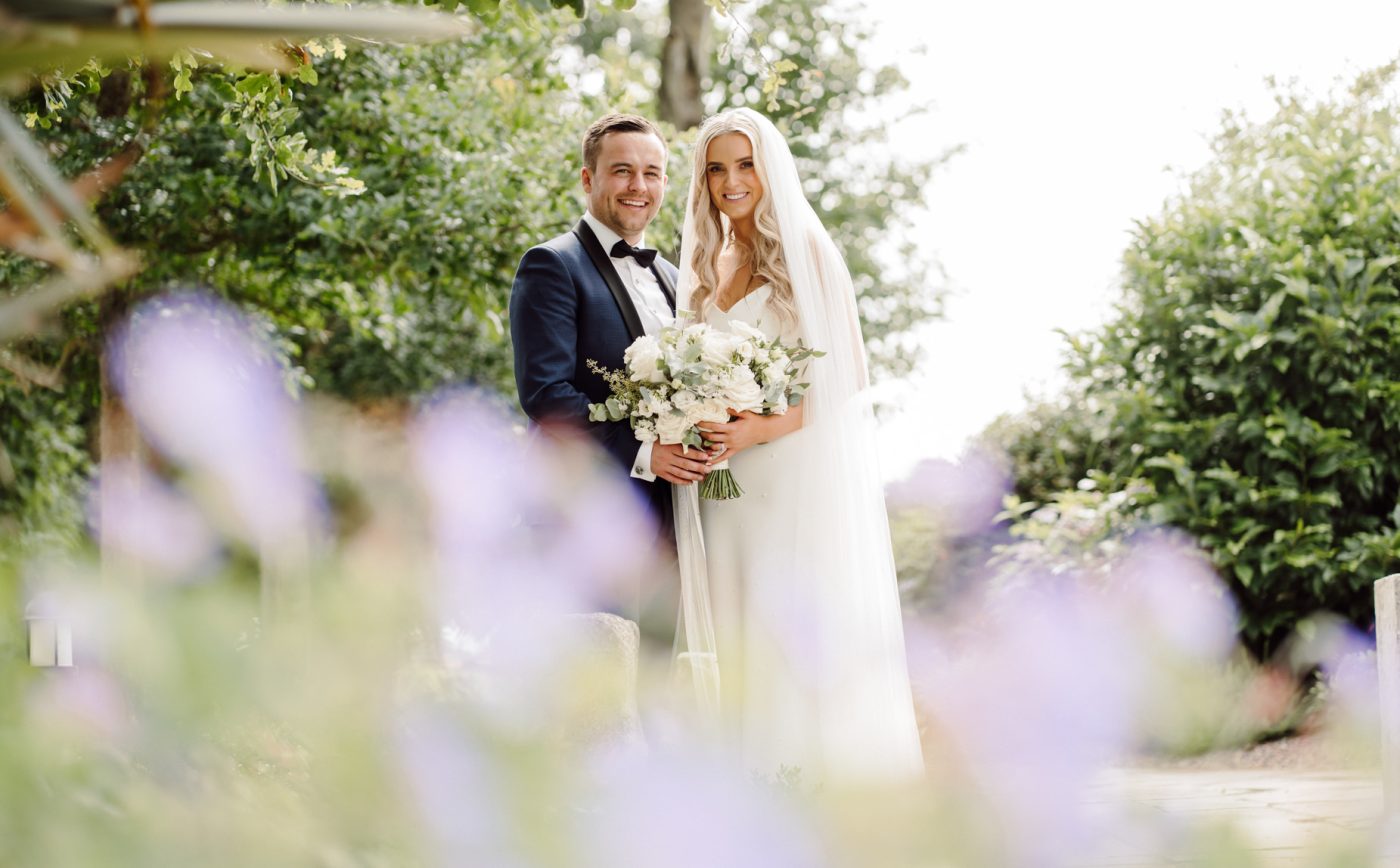
Northern Ireland Photography Seasons Guide
Spring (March – May): Fresh Light and Awakening Landscapes
Spring marks renewal across Northern Ireland, with daylight increasing from around 8 hours in March to over 16 hours by May. The light is soft and diffused, making it ideal for detailed landscape work with minimal harsh shadows. On average, you can expect 4 to 6 hours of usable photography light daily.
April and May stand out as the best months. April brings crisp mornings between 45–55°F and blooming wildflowers across Fermanagh’s lakelands. Early morning light between 6–8 AM creates golden tones at the Dark Hedges before crowds arrive. In May, Mount Stewart reaches peak color with vibrant rhododendrons contrasting against blue skies.
Spring offers long twilight periods, low-angle sunlight for backlit foliage, and fresh green landscapes without heavy tourist traffic. However, frequent showers are common, with 10–15 rainy days per month, so preparation is key.
Top locations during this season include:
- Dark Hedges at dawn for tunnel-like light through fresh leaves
- Mount Stewart during golden hour for floral compositions
Summer (June – August): Golden Hours and Extended Light
Summer delivers the longest days of the year, with over 17 hours of daylight in late June. Around the solstice, the sun barely dips below the horizon, creating extended “white night” conditions and multiple golden-hour opportunities.
Late June to early July is the optimal window. Around June 21–25, twilight can last until 11:30 PM, offering ideal conditions for seascapes and city photography. July maintains long daylight hours with peak wildflowers across the Glens of Antrim.
Summer light is characterized by extended golden hours, cooler color temperatures that enhance greens, and relatively stable weather with more clear skies. Unique phenomena like double sunrise and sunset effects can be seen in elevated locations.
Best shooting locations include:
- Carrick-a-Rede Rope Bridge at sunset for silhouettes
- Mourne Mountains at dawn for layered ridgelines
- Giant’s Causeway at night for reflective tidal pools
Using graduated ND filters is essential to balance extreme contrast between sky and foreground.
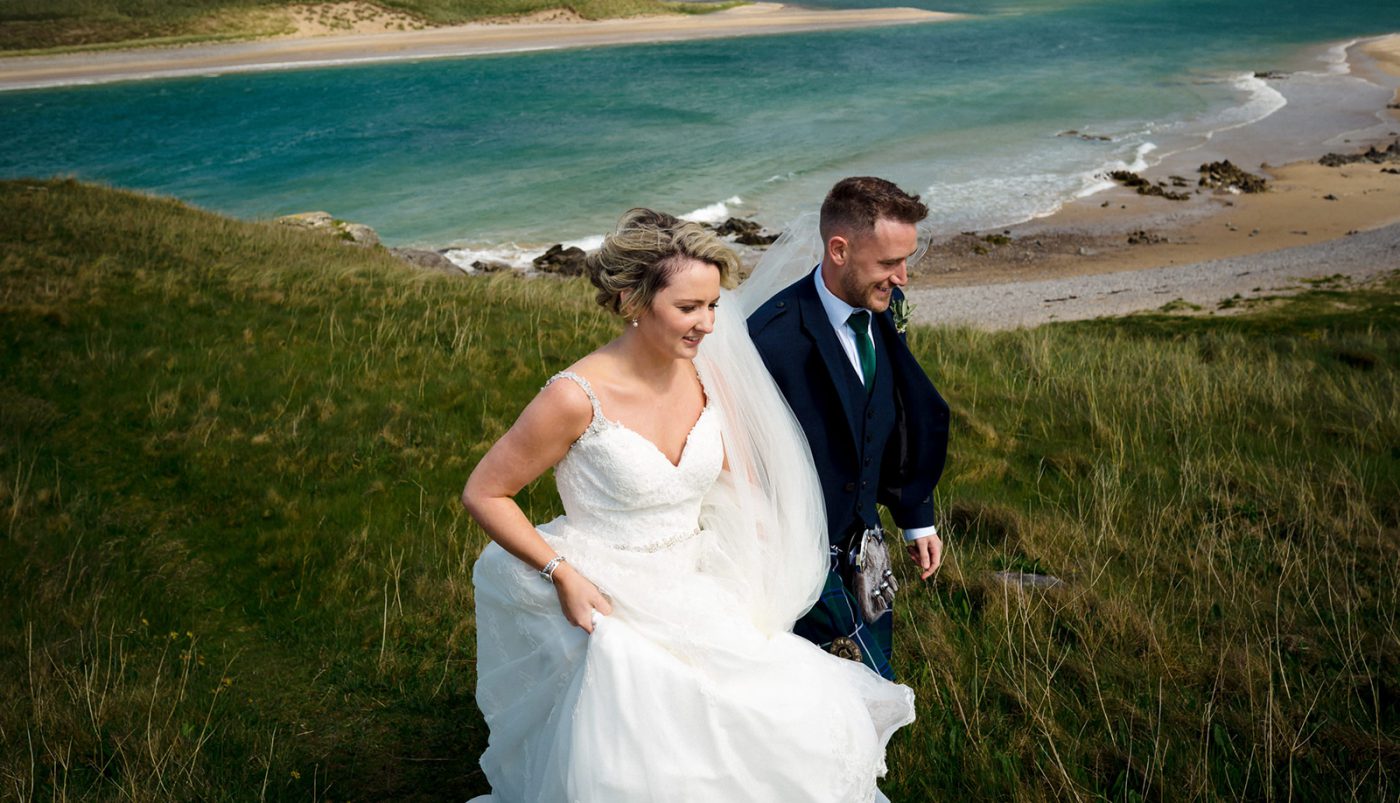
Winter (December – February): Minimalist Light and Aurora Potential
Winter offers shorter days, with only 6 to 8 hours of daylight, but concentrates high-quality light into brief, powerful windows. This season is ideal for dramatic, minimalist compositions and night photography.
Late January to early February is the best period, with clearer skies and reduced tourist activity. Winter also increases the likelihood of seeing the Northern Lights, with visibility significantly higher than in summer.
Light during this season is crisp and clean, with long shadows and enhanced contrast. Snow, when present, amplifies reflections and simplifies compositions.
Top winter locations include:
- Slieve Donard for snow-covered mountain scenes
- Rathlin Island for aurora viewing
- Causeway Coast during blue hour for dramatic seascapes
Essential gear includes fast lenses, insulated equipment, and backup power due to cold conditions.
Month-by-Month Overview
- March: Fresh greens, high rain probability
- April: Wildflowers and improving light
- May: Peak blooms and longer days
- June: Midnight light and long golden hours
- July: Stable summer conditions
- August: Warm tones and softer light
- September: Early autumn colour
- October: Peak foliage and dramatic skies
- November: Moody conditions and rain
- December: Start of aurora season
- January: Snow and crisp air
- February: Strong blue hour and aurora visibility
Daily Light Strategy
Timing is critical. In peak summer, sunrise can occur as early as 4:45 AM, with sunset around 10:15 PM. Golden hours extend significantly, while blue hour can last up to 45 minutes after sunset.
In winter, aurora visibility peaks between 8 PM and 1 AM, particularly when solar activity is high and moonlight is minimal.
Arriving 90 minutes before optimal light and staying 30 minutes after ensures you capture the full range of conditions. This window covers setup, transitional light, and the most usable tonal shifts.
Weather Patterns and Shooting Strategy
From October to April, Atlantic low-pressure systems dominate, bringing fast-changing conditions and dramatic skies. The best strategy is to shoot immediately after weather fronts pass.
From May to September, more stable high-pressure systems prevail, often producing morning fog and clearer skies. This favors early and late shooting, with midday used for rest or scouting.
Aurora activity is most predictable between January and March, following solar cycles.
Composition Approach by Season
Spring favors leading lines through fresh foliage.
Summer works best with layered compositions and depth.
Autumn highlights contrast between warm foregrounds and moody skies.
Winter excels in minimalist scenes with strong shapes and clean lines.
Travel and Shooting Logistics
A rental car is essential, especially for accessing remote locations. In winter, a 4×4 is recommended for mountainous areas.
Staying near key shooting locations for at least two nights allows flexibility with weather. Weekdays are significantly less crowded than weekends.
A typical photography day involves early morning shooting, midday rest and scouting, followed by evening and night sessions.
Final Note
Northern Ireland offers year-round photographic potential, with each season providing distinct light, mood, and subject matter. Success comes down to timing, preparation, and understanding how light interacts with the landscape.